
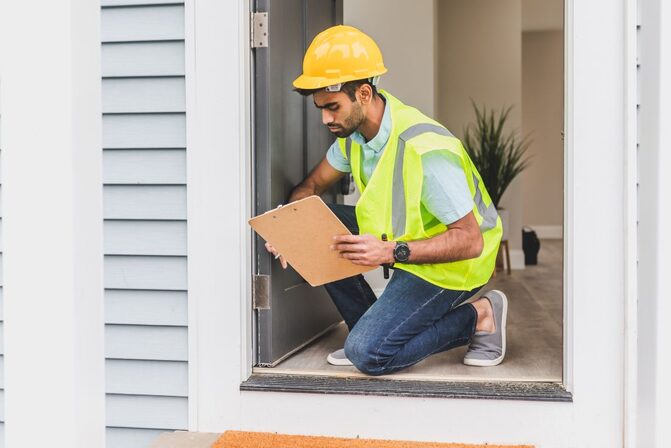
Buying a property is one of the biggest financial decisions most people will ever make. While a home may appear perfect during a viewing, hidden issues can exist beneath the surface. That is why property inspections play such an important role in the buying process. A professional inspection helps uncover potential problems before a purchase is finalized, giving buyers a clearer understanding of the property’s condition. Whether you’re purchasing your first home or adding to your investment portfolio, understanding the inspection process can help you make a more informed decision and avoid unexpected expenses later.
Why Property Inspections Are Essential
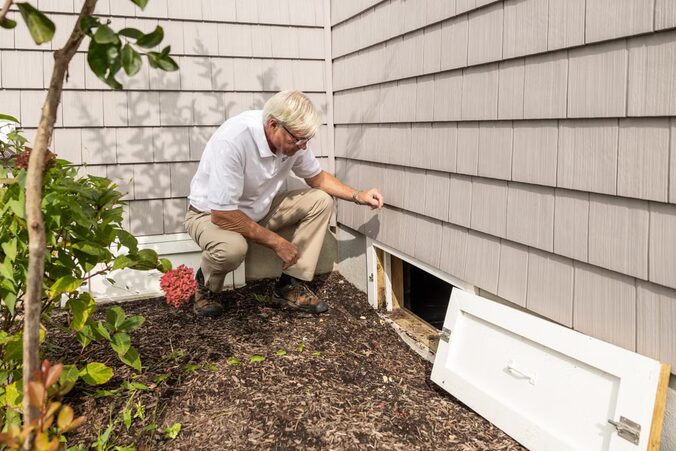
A property inspection provides an objective assessment of a home’s overall condition. Professional inspectors evaluate major systems and structural components to identify defects, safety concerns, and maintenance issues. Buyers often spend significant time researching neighborhoods, market trends, and psf when comparing properties. Still, a thorough inspection offers insights that pricing data alone cannot reveal. Identifying potential concerns before closing can save buyers from costly repairs and provide valuable leverage during negotiations.
What Inspectors Typically Examine
During an inspection, professionals assess a wide range of elements throughout the property. This often includes the roof, foundation, plumbing, electrical systems, heating and cooling equipment, walls, ceilings, windows, and insulation. Inspectors also look for signs of water damage, mold, pest infestations, and structural weaknesses. Their goal is not to predict future issues but to document existing conditions that could affect the property’s value, safety, or functionality. The final report gives buyers a detailed overview of the home’s strengths and weaknesses.
The Inspection Report
Inspection reports can sometimes seem overwhelming because they often contain technical language and extensive observations. However, not every issue listed should be considered a deal breaker. Most homes, including newer ones, will have some maintenance concerns or minor defects. Buyers should focus on significant problems involving safety, structural integrity, major systems, or expensive repairs. Reviewing the report carefully with a real estate agent or inspector can help distinguish between routine maintenance items and serious concerns that require immediate attention.
How Inspections Can Influence Negotiations

One of the biggest advantages of a property inspection is the opportunity it creates for negotiation. If significant issues are discovered, buyers may request repairs, negotiate a lower purchase price, or ask for credits to cover future repair costs. In some cases, inspection findings can even influence whether a buyer decides to proceed with the transaction. A detailed inspection report provides documented evidence that can support these discussions and help both parties reach a fair agreement.
Common Issues Found During Inspections
Many inspection reports reveal recurring problems that buyers should be aware of. Roof damage, outdated electrical wiring, plumbing leaks, drainage concerns, and HVAC system deficiencies are among the most common findings. Moisture-related issues can also be particularly important because they may lead to mold growth or structural damage over time. While some problems are relatively simple to fix, others may require significant investment. Understanding the scope and cost of potential repairs helps buyers make realistic financial plans before completing the purchase.
How to Choose a Qualified Home Inspector
Selecting the right inspector is just as important as scheduling the inspection itself. Buyers should look for experienced professionals with strong credentials, positive reviews, and a thorough approach to evaluating properties. A qualified inspector will provide a detailed report, answer questions clearly, and explain findings in an understandable way. Taking the time to choose an experienced professional can greatly enhance the value of the inspection process and increase confidence in the final purchase decision.
Property inspections are a crucial step in the home-buying journey. They provide valuable information about a property’s condition, help uncover hidden issues, and allow buyers to make decisions based on facts rather than appearances. By understanding what inspections involve, how to interpret reports, and how findings can affect negotiations, buyers can approach their purchase with greater confidence. A thorough inspection may require a modest upfront investment, but it can ultimately save substantial time, money, and stress.


